 1 hour ago
2
1 hour ago
2
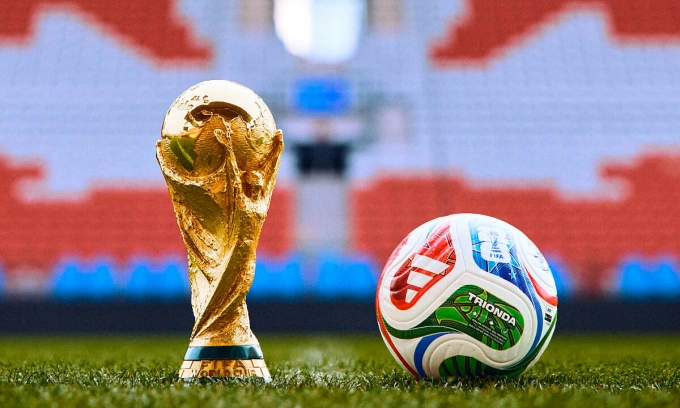
The world is anticipating the biggest football event on the planet, but hotels in North America are experiencing much lower occupancy rates than expected, with some areas only reaching 30% capacity.
Data from real estate analytics site CoStar shows that hotel occupancy rates in several cities hosting the 2026 World Cup are currently lower than they were during the same period last year, even though the tournament is just two weeks away.
This will be the first World Cup to feature an expanded 48-team format, bringing 104 matches to 16 cities across the U.S., Canada and Mexico.
While host cities like Mexico City, Monterrey, Dallas and San Francisco have reported positive booking figures, many other locations have fallen surprisingly short of expectations, according to The Times.
 |
|
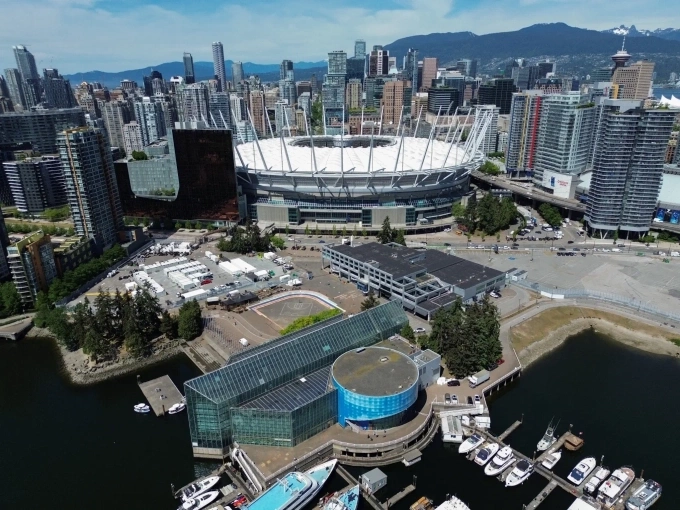
Hotels in Vancouver and others in Canada, Mexico and the U.S. are facing low occupancy rates ahead of the 2026 World Cup. Photo by Reuters |
In Vancouver, the average hotel occupancy rate on scheduled match days is currently sitting at 39%, down from 53% during the same period last year.
A similar situation happened in Boston ahead of the June 16 group stage match between Norway and Iraq, when occupancy rate for that date was just 32%, a significant drop from 44% the previous year.
The highly anticipated Brazil-Morocco clash at MetLife Stadium in New Jersey has also failed to boost the hotel sector in neighboring New York City. Occupancy rates there for June 13 are hovering around 31%, down sharply from 43% last year. Round-trip bus fares for fans traveling between New York and the stadium have plummeted by 75%.
A recent report from the American Hotel & Lodging Association suggests the hospitality industry may have overestimated fans' willingness to spend heavily to travel to North America. The early World Cup frenzy is now predicted to fall short of generating the massive financial returns initially expected.
Hotel representatives across the 11 U.S. host cities, including major markets like New York, Boston, Los Angeles, Miami and Seattle, reported that up to 80% of current bookings are lower than their initial forecasts.
Approximately two-thirds of operators in New York City reported lower-than-expected reservations, while nearly 80% of hotels in Boston, Philadelphia, San Francisco, and Seattle indicated lower-than-usual summer demand.
Around 65% to 70% of surveyed operators cited strict visa barriers and ongoing political concerns as primary reasons for the decline in international visitor demand. Only about 25% to 30% of markets saw any significant growth directly tied to the tournament, primarily those that already experience high baseline demand for leisure tourism or those serving as official training camps for participating teams.
These weak figures have surprised many, given that the hotel industry spent years preparing for what was widely considered a guaranteed tourism gold mine.
Jan Freitag, Country Director for Hotel Industry Analysis at CoStar Group, warned that the tournament could easily become a "tale of two months", characterized by low attendance during the group stages that only picks up in July as the high-stakes knockout rounds begin.
"For the earlier round games, it is possible that they won’t have the draw that was expected and that implies lower room occupancies," Freitag said, as quoted by NYPost. "There are teams that didn’t qualify four years ago for a reason."
He cited Curaçao, the Caribbean island nation making its historic first World Cup appearance, as an example of a smaller team unlikely to generate large international fan support.
 |
|
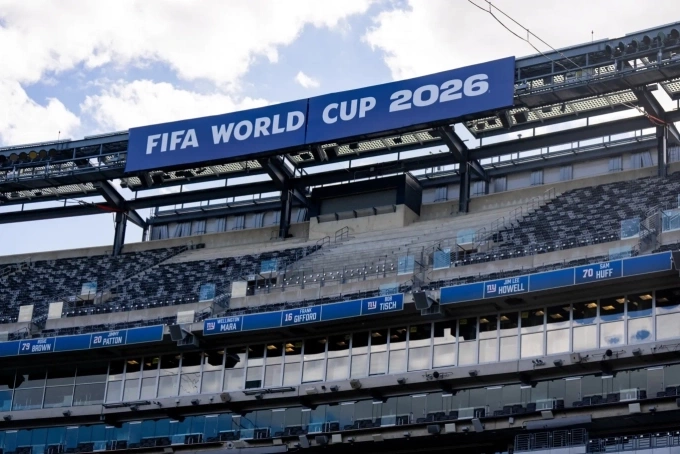
A match venue for the 2026 World Cup. Photo by Reuters |
The 2026 World Cup is unfolding against a challenging economic backdrop of rising airfares, inflation and increasing costs, issues heavily amplified by global political tensions.
Furthermore, the tournament spans three countries, making travel more complicated and expensive for fans wanting to follow their teams. The expanded 104-match format also spreads overall demand thin across too many venues.
Some insiders even called the World Cup a "non-event" after accounting for the release of projected hotel bookings and a decline in foreign fans attending in person.
U.S. President Donald Trump recently criticized the high cost of the 2026 World Cup tickets, stating that he wouldn't spend $1,000 to attend the U.S. national team's opening match against Paraguay in Los Angeles.
FIFA president Gianni Infantino has defended the tournament's pricing structure. Noting that resale tickets for the July 19 final at MetLife Stadium were currently being offered for over $2 million, he joked about personally delivering "a hot dog and a Coke" to anyone willing to pay that price.
However, Infantino also confirmed that the average official ticket price for the final is approaching $13,000, a massive increase from the roughly $1,600 average at the 2022 tournament in Qatar.
Critics argue that the surge in official ticket prices, combined with a booming, unregulated resale market and dynamic pricing, risks keeping football fans away from the tournament entirely, even when FIFA reported that the tournament has sold more than 5 million tickets.